Understand the Importance of a Vitamin D Blood Test for Your Health
What Critical Metrics Are Analyzed During a Vitamin D Blood Test?
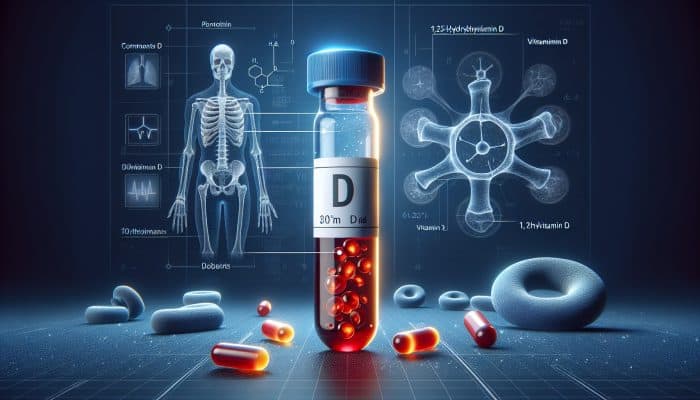
A Vitamin D Blood Test in Ayr evaluates the concentration of vitamin D in your blood, a crucial factor for maintaining bone health and strengthening immune function. This essential diagnostic examination not only gauges total vitamin D levels but also specifically assesses two primary forms: 25-hydroxyvitamin D (25(OH)D) and 1,25-dihydroxyvitamin D (1,25(OH)2D). Understanding these components is vital for accurately evaluating your vitamin D status and ensuring your body can effectively utilize this indispensable nutrient.
The key components evaluated during the test include:
- 25-hydroxyvitamin D (25(OH)D)
- 1,25-dihydroxyvitamin D (1,25(OH)2D)
- Parathyroid hormone (PTH) levels
- Calcium levels
Grasping these essential elements allows healthcare professionals to assess your bone health and overall well-being, guiding necessary treatments or supplements when appropriate.
How Frequently Should You Undergo Testing for Vitamin D Levels?
The recommended frequency for vitamin D testing can be influenced by several factors, such as your overall health, dietary habits, geographical location, and levels of sunlight exposure. For most individuals in the UK, it is generally advisable to have a vitamin D test at least once each year. However, specific populations may necessitate more regular evaluations, particularly those with health issues affecting vitamin D metabolism or absorption.
For individuals living in regions with limited sunlight exposure, especially during winter, consistent testing becomes increasingly vital. Healthcare professionals might also recommend more frequent evaluations for certain groups, such as pregnant women, seniors, or individuals with a history of bone disorders. Ultimately, discussing your specific circumstances with your healthcare provider is essential to establish the most appropriate testing schedule tailored to your needs.
Where Can Residents of Ayr Obtain a Vitamin D Blood Test?
Residents of Ayr have access to a range of healthcare facilities providing vitamin D blood testing, ensuring they receive essential health services. Testing can be performed in various settings, including local GP surgeries and private clinics. Here are three prominent locations in Ayr where you can undergo testing for vitamin D levels:
1. Ayrshire Central Hospital – This facility offers a wide array of diagnostic tests, including vitamin D blood tests, as part of its extensive health screening services.
2. Ayr Medical Group – This local GP surgery delivers blood testing services, including evaluations for vitamin D levels, featuring convenient online appointment booking.
3. Boots Pharmacy – This pharmacy hosts a health clinic that provides vitamin D testing among its services, catering to individuals seeking quick and accessible testing options.
Utilizing these services is essential for staying informed about your vitamin D levels and overall health.
How to Prepare Effectively for Your Vitamin D Blood Test?

Proper preparation for a vitamin D blood test usually involves fasting for several hours to ensure that the results accurately reflect your true vitamin D status. It is generally advised to fast for approximately 8 to 12 hours prior to the test.
Alongside fasting, it is wise to consult your healthcare provider for personalized instructions based on your health history and any current medications. They may give specific guidance, including whether to continue taking any vitamin D supplements before the test. Adequate preparation is crucial for obtaining reliable results, enabling healthcare professionals to make informed decisions regarding your vitamin D levels and overall health management.
What Insights Do Your Vitamin D Test Results Provide About Your Health?
Your vitamin D test results reveal your vitamin D levels, typically expressed in nanomoles per liter (nmol/L). While ranges may differ, results are generally categorized as follows: deficient (below 30 nmol/L), insufficient (30-50 nmol/L), and optimal (above 50 nmol/L).
Your healthcare provider will help you interpret these results and advise on necessary actions based on your vitamin D status. If you are found to be deficient or insufficient, they may recommend specific dietary modifications, lifestyle changes, or supplements to help elevate your levels. Understanding the implications of your results is vital for taking proactive steps to maintain your health and prevent potential complications associated with vitamin D deficiency.
Expert Perspectives on Vitamin D Testing in Ayr
What Are the Latest Guidelines for Maintaining Optimal Vitamin D Levels?

Health authorities in the UK regularly update their guidelines regarding optimal vitamin D levels to reflect the latest research findings and health trends. The most recent recommendations suggest that adults should aim for a serum level of at least 50 nmol/L, particularly during the darker months when sunlight exposure is limited.
Over time, these guidelines have evolved, with earlier recommendations accepting lower target levels as adequate. As awareness of the link between vitamin D and a range of health outcomes has increased, there has been a notable emphasis on achieving higher levels for optimal health. Real-world examples illustrate that as more individuals in the UK become informed about these guidelines, there has been a corresponding rise in testing and supplementation practices, especially among at-risk populations.
How Do Local Experts Interpret Vitamin D Test Results in Ayr?
Local healthcare providers in Ayr possess valuable insights into interpreting vitamin D levels, particularly given the unique environmental conditions and lifestyle factors influencing the local population. Experts often highlight that vitamin D levels can fluctuate throughout the year, with many residents experiencing decreased levels in winter due to reduced sunlight exposure.
When interpreting results, local practitioners typically refer to established ranges, noting that levels below 30 nmol/L may indicate a significant deficiency requiring immediate intervention. They emphasize the importance of contextualizing results, considering factors such as patient age, existing health conditions, and dietary habits. This nuanced approach ensures that patients receive personalized advice and treatment, resulting in improved health outcomes and a greater understanding of the significance of maintaining adequate vitamin D levels.
What Best Practices Should You Follow for Preparing for a Vitamin D Test?
Preparing for a vitamin D test can significantly impact the accuracy of results and their subsequent interpretation. Following best practices ensures you receive a reliable assessment of your vitamin D levels.
Firstly, fasting for 8 to 12 hours before the test is advisable, as this helps eliminate variables that may skew the results. Secondly, avoid taking vitamin D supplements in the days leading up to the test unless instructed otherwise by your healthcare provider. Thirdly, staying hydrated by drinking water is beneficial, as dehydration can affect blood concentration. Lastly, inform your doctor about any medications or health conditions that could influence your vitamin D metabolism. By adhering to these actionable steps, patients can help ensure that their test results accurately represent their vitamin D status.
What Symptoms Should You Monitor for Vitamin D Deficiency, and What Treatment Options Are Accessible in Ayr?
Local experts in Ayr have identified several common symptoms indicative of vitamin D deficiency, which may vary among individuals. Frequently reported symptoms include fatigue, bone pain, muscle weakness, and an increased susceptibility to respiratory infections. Some individuals may also experience mood changes or mental health issues associated with insufficient vitamin D levels.
To combat vitamin D deficiency, healthcare providers often recommend a comprehensive approach. This includes vitamin D supplements tailored to the individual’s needs—either in prescription form or available over-the-counter. Additionally, dietary adjustments to incorporate vitamin D-rich foods such as fatty fish, egg yolks, and fortified products are commonly advised. Lifestyle modifications, such as increasing safe sun exposure, can significantly enhance vitamin D levels. Engaging in these recommended treatments can greatly improve health and mitigate symptoms linked to deficiency.
Understanding the Health Implications of Vitamin D Deficiency
What Symptoms Should You Be Vigilant About Regarding Vitamin D Deficiency?
Symptoms of vitamin D deficiency can manifest in various forms, but several key indicators can signal insufficient levels of this essential vitamin. Common symptoms include fatigue, bone pain, muscle weakness, and an increased susceptibility to illnesses.
Recognizing these symptoms early is crucial, as untreated deficiencies can lead to severe health complications. To summarize, symptoms to watch for include:
- Fatigue or general tiredness
- Bone pain or tenderness
- Muscle weakness or cramps
- Increased incidence of infections
- Depressed mood or cognitive changes
Being aware of these warning signs can lead to timely testing and intervention, promoting better overall health and well-being.
How Does Vitamin D Deficiency Affect Bone Health?
Vitamin D is vital for calcium absorption, which is essential for maintaining bone health and integrity. Insufficient vitamin D levels can result in decreased calcium absorption, ultimately leading to weaker bones and increasing the risk of conditions such as osteoporosis and rickets in children.
When vitamin D levels are low, the body compensates by extracting calcium from bones to maintain normal blood calcium levels, thereby weakening bone structure over time. This process can increase the risk of fractures and chronic pain. For individuals in Ayr, where lifestyle factors may limit sunlight exposure, it is essential to recognize the consequences of vitamin D deficiency on bone health. Regular testing and timely interventions can help maintain optimal vitamin D levels and protect against potential bone health complications.
Can Vitamin D Deficiency Impact Mental Health?
Research indicates a connection between vitamin D deficiency and mental health issues, particularly conditions such as depression and anxiety. While the precise mechanisms are still being explored, it is believed that vitamin D may influence neurotransmitter function and overall brain health.
Low levels of vitamin D have been associated with mood disorders, and some studies suggest that supplementation can help improve mood deficiencies. In regions where seasonal variations in sunlight exposure can lead to lower vitamin D levels, understanding this relationship becomes critical. Mental health professionals may consider vitamin D testing a part of comprehensive assessments for patients presenting with mood-related symptoms. Addressing deficiency through lifestyle changes, dietary adjustments, or supplementation can potentially enhance mental well-being.
How Can Vitamin D Deficiency Influence Immune System Function?
Vitamin D plays a crucial role in regulating immune system function, impacting both innate and adaptive immune responses. A deficiency in this essential vitamin can hinder the body’s ability to fight infections and may increase susceptibility to autoimmune diseases.
Research shows that maintaining adequate vitamin D levels is essential for producing antimicrobial peptides that help defend against pathogens, providing a vital line of defense against infections. For residents of Ayr, particularly during the winter months, sustaining sufficient vitamin D levels is crucial for optimal immune function. Consulting healthcare providers about testing and potential supplementation can significantly enhance immunity and overall health.
The Benefits of Maintaining Optimal Vitamin D Levels
How Does Vitamin D Enhance Immune Function?
Vitamin D plays a pivotal role in modulating the immune system, enhancing protection against infections and chronic diseases. By boosting the pathogen-fighting capabilities of monocytes and macrophages, vitamin D strengthens the immune response.
Optimal vitamin D levels support various immune functions, including:
- Enhancing the pathogen-fighting abilities of white blood cells
- Reducing inflammation within the body
- Modulating the immune response to prevent autoimmune conditions
- Supporting respiratory health
Consequently, ensuring adequate vitamin D levels is vital for maintaining a robust immune system, especially for individuals in Ayr who may be at risk for deficiency due to geographical and lifestyle factors.
Can Vitamin D Positively Impact Mood and Well-being?
Numerous studies suggest that vitamin D may positively influence mood and overall well-being, indicating a correlation between sufficient vitamin D levels and improved mental health. Research has demonstrated that individuals with adequate vitamin D levels often report enhanced mood states and an improved quality of life.
The evidence supporting this claim indicates that vitamin D contributes to the production of serotonin, a neurotransmitter involved in regulating mood. For residents of Ayr, particularly those experiencing seasonal affective disorder (SAD) during the darker months, addressing vitamin D levels could be a valuable strategy for improving mood and mental health. Combining vitamin D-rich diets with appropriate sunlight exposure can yield significant benefits for overall well-being.
What Role Does Vitamin D Play in Cancer Prevention?
Emerging research suggests that vitamin D may help reduce the risk of certain cancers, particularly those affecting the breast, colon, and prostate. While the exact relationship between vitamin D levels and cancer risk remains under investigation, some evidence indicates that adequate vitamin D levels may inhibit cancer cell growth and promote cellular differentiation.
For individuals in Ayr, understanding the potential protective effects of vitamin D may encourage proactive health measures, such as regular testing and maintaining optimal levels through dietary and lifestyle modifications. As studies continue to explore the correlation between vitamin D and cancer prevention, staying informed about current recommendations and practices will be essential for promoting long-term health.
Effective Strategies for Vitamin D Testing in Ayr
How Can You Ensure Precise Results from Your Vitamin D Test?
Ensuring precise results from your vitamin D test requires proper preparation and understanding of the testing procedure. To begin, fasting for 8 to 12 hours prior to testing is essential, as this helps eliminate variables that could distort results. Additionally, be sure to inform your healthcare provider of any vitamin D supplements you may be taking, as these can affect your results.
Maintaining proper hydration can also help ensure a good blood sample, so drink plenty of water the day before your test. Lastly, discussing your lifestyle factors, dietary habits, and any symptoms you may be experiencing with your healthcare provider will provide them with the context needed to interpret your results accurately. By taking these steps, you can help ensure that your vitamin D test accurately reflects your health status.
What Are the Optimal Times of Year for Testing Vitamin D Levels?
Vitamin D levels can fluctuate with the seasons, making it essential to time your test appropriately for accurate results. For residents of Ayr, the ideal times to test are typically late winter or early spring when vitamin D levels are likely at their lowest due to reduced sunlight exposure during the darker months.
Testing during this period allows healthcare providers to assess whether individuals are deficient and recommend appropriate supplementation or lifestyle changes as necessary. As summer approaches and sunlight exposure increases, testing may become less critical, as levels are likely to improve naturally. Understanding these seasonal patterns empowers individuals to take proactive measures in effectively managing their vitamin D levels.
How Should You Follow Up After Receiving Your Vitamin D Test Results?
Following up on your vitamin D test results is crucial for effectively managing your health. Once you receive your results, it is important to schedule a follow-up appointment with your healthcare provider to discuss the implications of your vitamin D status.
For instance, if your results indicate a deficiency, your doctor may recommend tailored dietary changes, lifestyle adjustments, or supplements suited to your individual needs. Additionally, you might want to establish a plan for re-testing to monitor your progress over time. Real-world examples show that individuals who actively engage with their healthcare providers following test results often experience significant improvements in their vitamin D levels, enhancing their overall health.
Natural Strategies to Enhance Your Vitamin D Levels
What Are the Most Effective Dietary Sources of Vitamin D?
Vitamin D can be obtained from various foods, making your dietary choices a crucial factor in maintaining adequate levels. Incorporating vitamin D-rich foods into your diet can substantially support your overall health. Key dietary sources of vitamin D include:
- Fatty fish (such as salmon, mackerel, and sardines)
- Egg yolks
- Fortified products (like milk, orange juice, and breakfast cereals)
- Beef liver
By including these foods in your daily diet, you can naturally enhance your vitamin D intake, supporting your overall health and well-being.
How Much Sunlight Exposure Is Necessary for Achieving Adequate Vitamin D Levels?
Exposure to sunlight serves as a primary source of vitamin D since the skin synthesizes this vital nutrient when exposed to ultraviolet B (UVB) rays. To maintain adequate vitamin D levels, it is generally advised to aim for approximately 10 to 30 minutes of sunlight exposure several times a week, depending on skin type and local climate.
For residents in Ayr, particularly during the winter months when sunlight is scarce, achieving sufficient sunlight exposure can be challenging. It is essential to seize opportunities to get outside, even on overcast days, as UV rays can penetrate through clouds. Balancing sun exposure with skin protection is crucial—using sunscreen after initial exposure helps prevent skin damage while still allowing for vitamin D synthesis.
Can Supplements Effectively Elevate Your Vitamin D Levels?
Vitamin D supplements can be an effective way to raise levels, particularly in cases of deficiency. Many individuals in Ayr may find it difficult to obtain sufficient vitamin D through diet and sunlight alone, making supplementation a valuable alternative.
When considering supplements, you generally have two primary forms: vitamin D2 (ergocalciferol) and vitamin D3 (cholecalciferol). Research indicates that vitamin D3 is more effective at raising and maintaining overall vitamin D levels. However, it is crucial to consult with a healthcare provider before starting any supplementation, as they can recommend appropriate dosages tailored to individual needs and health status. By effectively utilizing supplementation, individuals can significantly improve their vitamin D levels and enhance their overall health.
Understanding the Costs and Accessibility of Vitamin D Testing in Ayr
What Is the Cost of a Vitamin D Blood Test in Ayr?
The cost of a vitamin D blood test can vary depending on the facility where you choose to undergo testing. Generally, prices for vitamin D testing in Ayr can range from £40 to £100, depending on whether you opt for private clinics or NHS services.
Private clinics may offer quicker appointments and results, while NHS testing may be available at no cost under specific conditions, such as medical necessity or particular health concerns. It is essential to explore local options and consult with your healthcare provider to determine the best course of action for your needs.
Does the NHS Cover Vitamin D Tests in Ayr?
Vitamin D testing may be available through the NHS under certain circumstances. Typically, the NHS covers testing for individuals with specific risk factors, such as a history of bone disorders, medical conditions affecting vitamin D metabolism, or pregnancy.
Patients seeking testing should consult their GP to discuss symptoms and risk factors. If deemed necessary, your GP may refer you for testing at no additional cost. Understanding NHS coverage criteria can help individuals in Ayr access the essential testing needed to maintain optimal health.
How Can You Access Vitamin D Testing Services in Ayr?
Accessing vitamin D testing services in Ayr can be accomplished through various healthcare providers. Here are three effective ways to access these services:
1. Visit Your GP Surgery – Schedule an appointment with your GP to discuss health concerns and request a vitamin D test if appropriate.
2. Local Private Clinics – Research and contact private clinics in Ayr that provide vitamin D testing services, allowing for more flexible appointment options.
3. Community Health Initiatives – Keep an eye out for local health fairs or community initiatives that may offer free or subsidized vitamin D testing, especially during the winter months.
By utilizing these services, residents of Ayr can stay informed about their vitamin D levels and overall health.
Frequently Asked Questions About Vitamin D Testing
What Is the Purpose of a Vitamin D Blood Test?
A vitamin D blood test measures the concentration of vitamin D in your bloodstream, helping evaluate your bone health and immune function.
How Often Should I Undergo a Vitamin D Test?
It is generally advisable to have a vitamin D test annually, but individuals with specific health concerns may require more frequent testing.
Where Can I Receive a Vitamin D Blood Test in Ayr?
You can receive a vitamin D blood test at Ayrshire Central Hospital, Ayr Medical Group, or Boots Pharmacy.
Is Fasting Required Before a Vitamin D Test?
Yes, fasting for 8 to 12 hours before the test is typically recommended for the most accurate results.
What Do My Vitamin D Test Results Indicate?
Results reveal your vitamin D levels, categorized as deficient, insufficient, or optimal, guiding necessary interventions.
What Are Common Symptoms Associated with Vitamin D Deficiency?
Common symptoms include fatigue, bone pain, muscle weakness, and an increased risk of infections.
How Can I Naturally Increase My Vitamin D Levels?
Boost your vitamin D levels by consuming vitamin D-rich foods, ensuring adequate sunlight exposure, and considering supplements if necessary.
Does the NHS Cover Vitamin D Tests?
Yes, vitamin D tests may be covered by the NHS under certain circumstances, such as specific medical conditions or risk factors.
What Are the Best Dietary Sources of Vitamin D?
Key dietary sources include fatty fish, egg yolks, fortified products, and beef liver.
Can Vitamin D Deficiency Impact Mental Health?
Yes, research indicates a link between vitamin D deficiency and mental health issues such as depression and anxiety.
Connect with us on Facebook!
This Article Was First Found On https://bloodtest.co.uk
The Article Vitamin D Blood Test: A Comprehensive Guide for Ayr Residents Was Found On https://limitsofstrategy.com