Empower Your Fitness Journey: Comprehensive Insights into Fitness Trackers for Women
What Exactly Are Fitness Trackers and How Do They Function?
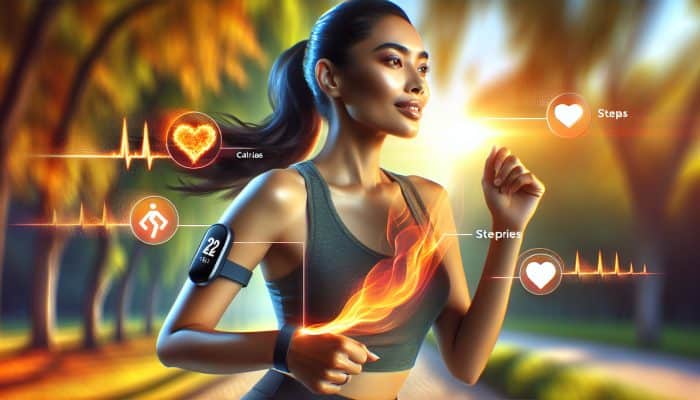
Fitness trackers represent a groundbreaking advancement in wearable technology, specifically crafted to monitor a wide range of physical activities and essential health metrics. These innovative devices grant users invaluable insights that are instrumental in achieving their fitness goals, establishing them as indispensable tools for women dedicated to nurturing a vibrant and healthy lifestyle. Fitness trackers encompass various features tailored to meet individual fitness journeys, including:
- Heart rate monitoring
- Step tracking
- Calorie counting
- Sleep analysis
- GPS tracking
- Menstrual cycle tracking
- Integration with mobile apps
- Water resistance
These diverse functionalities empower women to maintain a comprehensive overview of their health, whether they are casually tracking their fitness or immersing themselves in serious athletic pursuits. By compiling data on daily activities, heart rates, and even sleep patterns, users cultivate a clearer understanding of their overall physical health, fostering motivation throughout their fitness journey.
Why Is It Beneficial for Women to Invest in a Fitness Tracker?
Investing in a fitness tracker offers a plethora of advantages, particularly for women aiming to enhance their fitness levels. These devices uniquely combine motivation, accountability, and immediate feedback. A key benefit lies in the capacity to consistently track progress, which serves as a significant motivator. A fitness tracker does more than merely record your activities; it encourages you to push your limits, delivering that essential nudge when your motivation dips.
Moreover, fitness trackers are pivotal in health monitoring. They provide insights into vital metrics such as heart rate, caloric expenditure, and even stress levels, empowering women to make informed health decisions. Whether starting a new fitness program or managing existing health issues, a fitness tracker can be an invaluable partner, seamlessly adapting to your lifestyle and supporting you in achieving your personal fitness aspirations.
How Can You Choose the Ideal Fitness Tracker Tailored to Your Needs?
Selecting the perfect fitness tracker is a personal endeavor, significantly shaped by your distinct needs and lifestyle preferences. Key considerations include the types of activities you enjoy, battery life, and compatibility with other devices, such as smartphones or smartwatches. While determining which fitness tracker best suits you, keep the following factors in mind:
- Your primary fitness objectives (e.g., weight loss, muscle gain, improved endurance)
- Types of activities you enjoy (e.g., running, swimming, cycling)
- Battery life and the frequency of charging required
- Device compatibility with mobile applications or platforms
- Design and comfort for everyday wear
- Price range and reputation of the brand
- Specific health features (e.g., menstrual tracking, stress monitoring)
By considering these elements, you can narrow down your options and discover a tracker that perfectly aligns with your individual fitness requirements and lifestyle, ensuring it becomes an essential part of your daily routine.
Expert Insights on Fitness Trackers Tailored for Women
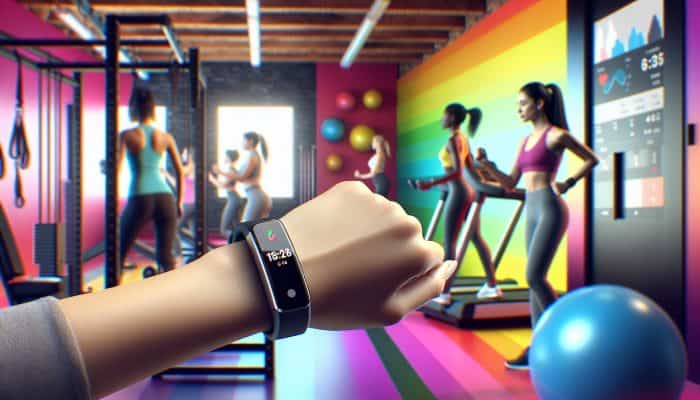
What Key Features Should Women Prioritize When Selecting a Fitness Tracker?
When choosing a fitness tracker, it is crucial for women to emphasize features that cater specifically to their unique health and fitness needs. Important aspects to focus on include heart rate monitoring, which offers insights into cardiovascular health; menstrual cycle tracking for understanding hormonal fluctuations; and sleep analysis to assess sleep quality and its effects on daily performance.
To make a well-informed selection when choosing a tracker with these features, follow these actionable steps:
1. Define your health objectives: Clarifying whether your focus is on enhancing cardiovascular fitness, managing stress, or tracking reproductive health will influence your decision-making.
2. Research specific models: Look for models that prominently highlight these features. Numerous brands now offer trackers specifically designed for women, integrating essential health functionalities.
3. Read user reviews: Explore forums and product reviews to see how other women have experienced the functionality of various trackers, particularly concerning features like menstrual tracking and sleep monitoring.
4. Test for comfort: If feasible, try on different models to find the one that feels comfortable and suits your daily wear.
By aligning your fitness tracker with these essential features, you can ensure that it effectively supports your health journey.
How Do Fitness Trackers Contribute to Enhanced Health and Well-being Among Women?
Fitness trackers serve as potent tools for women, enhancing health monitoring and promoting healthier lifestyles. By providing real-time data, these devices empower women to track their physical activity, monitor vital signs, and even manage stress levels. For instance, fitness trackers encourage regular movement throughout the day by reminding users to stand up and move, which is particularly beneficial for individuals in sedentary jobs.
Numerous real-world examples illustrate the transformative impact of fitness trackers on women’s health. For instance, a woman grappling with weight management found that logging her daily activities and food intake through her fitness tracker enabled her to better understand her caloric expenditure versus intake. This newfound awareness empowered her to make informed dietary choices and enhance her physical activity, leading to significant weight loss and improved health outcomes.
Additionally, many fitness trackers feature menstrual cycle tracking, providing women with insights into their reproductive health and assisting them in preparing for fluctuations in energy levels and mood. This feature can also help identify patterns related to exercise and recovery, optimizing performance and overall well-being.
Are There Fitness Trackers Specifically Designed with Women in Mind?
Certainly, numerous fitness trackers are specifically designed with the needs of women in mind. These devices often come in smaller sizes and incorporate features that address women’s health concerns, such as menstrual cycle tracking and pregnancy monitoring. Well-known brands like Fitbit and Garmin have developed models that take into account the unique physiological differences between men and women.
Expert analysis indicates that these female-specific trackers frequently include tailored health metrics, offering insights that are both relevant and beneficial to women. For instance, Fitbit’s female health tracking feature allows users to log their menstrual cycles and symptoms, which can be synchronized with physical activity and sleep data. This holistic perspective enables women to comprehend how their bodies respond to various stressors and lifestyle changes.
When searching for the best trackers for women, examining the specific features offered is crucial to ensure they align with personal health needs. Customization options, such as adjustable bands designed for smaller wrists, are also vital for comfort and usability, making these devices a practical choice for daily wear and long-term health tracking.
Leading Fitness Trackers for Women in the UK: A Thorough Overview
What Are the Top Fitness Trackers Currently Available for Women?
In the UK, several fitness trackers stand out due to their features specifically tailored for women. Brands like Fitbit, Garmin, and Apple have developed models that not only track basic fitness metrics but also offer insights particularly beneficial for women’s health.
Fitbit Versa 3 is a favored option, recognized for its outstanding heart rate monitoring and sleep tracking capabilities, as well as its ability to monitor menstrual cycles. Another noteworthy alternative is the Garmin Lily, which effortlessly blends style with functionality, providing essential tracking features in a compact design ideal for smaller wrists.
The Apple Watch Series 7 is also a strong contender, highly regarded for its seamless integration with iOS devices and comprehensive health tracking features, including ECG and blood oxygen monitoring. Each of these trackers presents distinctive advantages, catering to various preferences and fitness goals, ensuring a suitable option for every woman in the UK looking to elevate her fitness journey.
How Do These Fitness Trackers Compare Against Each Other?
When assessing the best fitness trackers for women, it is essential to concentrate on several key factors that influence usability and performance. These factors encompass battery longevity, overall design, and specific health features.
- Battery Life: Some trackers, such as the Garmin Forerunner series, boast remarkable battery life, extending several days on a single charge, while others may necessitate daily charging.
- Design: Consider whether you prefer a sporty appearance or a more sophisticated style, as this can significantly influence your readiness to wear the device regularly.
- Health Features: Investigate which health metrics are most crucial to you—some devices excel in heart rate monitoring, while others may focus more on sleep quality or menstrual cycle tracking.
- User Interface: The ease of use and accessibility of the companion app are also vital for the user experience. A more intuitive interface can enhance your engagement with the device.
By evaluating these aspects, you can make a more informed decision regarding which fitness tracker aligns with your lifestyle and health objectives, ensuring you select one that not only meets but exceeds your expectations.
Where Can You Purchase Fitness Trackers in the UK?
Fitness trackers are readily available across various platforms in the UK. Major retailers, such as Amazon, provide a vast selection and competitive pricing, making it a convenient choice for consumers. Argos is another popular option, allowing customers to verify stock online and pick up in-store, which is ideal for those who prefer to inspect the product before purchasing.
Brand websites like Fitbit, Garmin, and Apple also offer direct purchasing options, frequently featuring exclusive models or bundle deals that may not be found elsewhere. Additionally, high street electronics stores, such as Currys PC World, have physical locations where customers can receive expert advice and hands-on experience with different models. Whether you prefer online shopping or a more personal experience in-store, there are ample options available in the UK.
Maximizing the Benefits of Your Fitness Tracker: Effective Practices and Strategies
What Effective Strategies Should You Implement When Using a Fitness Tracker?
To fully leverage the capabilities of your fitness tracker, adopting best practices is crucial for enhancing its effectiveness. Start by setting realistic and achievable goals that inspire rather than intimidate you. Whether your aim is to increase your daily step count or improve your sleep quality, having clear targets steers your tracking efforts in the right direction.
Regularly reviewing your progress is another essential practice. Make it a habit to examine your daily and weekly data, noting trends in your activity levels, heart rate, and sleep patterns. This information serves not only as motivation but also allows you to adjust your fitness routine based on your findings. For example, if you notice a decline in activity after a particular point in the week, it may indicate a need to reassess your schedule or introduce a new activity.
Finally, utilize the data collected to inform your fitness routine. If your tracker highlights trends such as increased fatigue on certain days, consider modifying your workout intensity or integrating rest days into your regimen. By treating your fitness tracker as a personal health advisor, you can maximize its potential to support your health and fitness journey.
How Can You Seamlessly Integrate a Fitness Tracker into Your Daily Life?
Incorporating a fitness tracker into your daily life revolves around consistency and mindfulness. The key lies in wearing your tracker throughout the day to ensure it records all relevant data. This consistent usage provides a comprehensive overview of your activity levels and health metrics, facilitating better-informed decisions about your fitness regimen.
Along with regular wear, leverage your tracker’s features to inform your activities. Set daily step goals and utilize reminders to prompt movement if you’ve been stationary for an extended period. Many trackers also enable you to log meals and hydration, thereby enhancing your understanding of how your nutrition complements your fitness objectives.
Social features can also significantly contribute to integration. Engaging with friends or participating in online challenges can elevate your motivation and accountability. Sharing your achievements or partaking in group goals fosters a sense of community, making your fitness journey more enjoyable and rewarding.
What Common Pitfalls Should You Avoid When Using a Fitness Tracker?
While fitness trackers can provide substantial benefits, there are common mistakes users should avoid to ensure they maximize their devices. Here are several pitfalls to be aware of:
- Setting Unrealistic Goals: Ambitious targets can be overwhelming. Instead, focus on gradual progress to sustain motivation.
- Ignoring the Data: Many users neglect to utilize the data gathered by their trackers. Regularly review your metrics and adapt your fitness plan accordingly.
- Neglecting to Sync Regularly: Forgetting to sync your tracker can result in lost data and missed opportunities for reflection on your progress.
- Comparing Yourself with Others: Everyone’s fitness journey is unique. Concentrate on your personal goals instead of comparing yourself with friends or social media influencers.
By sidestepping these mistakes, you can create a more effective and enjoyable experience with your fitness tracker, leading to sustained health improvements and motivation along your journey.
How Can You Optimize Your Workout Routine Using a Fitness Tracker?
Utilizing a fitness tracker to enhance your workout routine can lead to significant improvements in performance and results. Start by using the heart rate monitoring feature to ensure you’re training within your optimal heart rate zones. This approach maximizes calorie burn and aids in improving cardiovascular fitness over time.
Additionally, create workout intervals based on the data provided by your tracker. Many devices allow you to establish interval workouts, alternating between high-intensity bursts and recovery periods. This method can significantly boost endurance and performance, particularly in activities such as running or cycling.
Tracking performance over time is another practical application. By regularly reviewing your workout data, you can identify patterns of improvement or areas that need attention. For example, if you aim to increase your running distance, your tracker can provide insights into your pace and stamina, allowing you to adjust your training schedule as necessary.
By incorporating these strategies into your workout routine, your fitness tracker evolves from a mere monitoring device to a vital tool in enhancing your overall performance and achieving your fitness ambitions.
What Features Are Crucial When Selecting a Fitness Tracker?
When choosing a fitness tracker, it is essential to ensure it encompasses features that align with your lifestyle and health objectives. Key features to evaluate include heart rate monitoring, which offers insights into your fitness levels and optimizes workouts. Sleep tracking is equally important; understanding your sleep patterns can aid in recovery and enhance overall well-being.
GPS functionality is vital for outdoor enthusiasts. It allows you to accurately track your routes and distances, which is invaluable for runners and cyclists striving to improve their performance. Furthermore, compatibility with fitness apps can enrich your tracking experience by enabling you to log workouts, share progress, and connect with a broader community.
Additionally, consider features like water resistance, especially if you plan to swim or use the tracker in various weather conditions. Finally, assessing the design for comfort and style is imperative; a tracker that feels good to wear will encourage consistent use and adherence to your fitness goals.
Research-Driven Benefits of Fitness Trackers for Women
How Do Fitness Trackers Promote Enhanced Health Outcomes?
Research indicates that fitness trackers can significantly improve health outcomes for women by promoting increased physical activity, better sleep, and overall wellness. Simply monitoring physical activity fosters awareness and can motivate healthier habits. For instance, studies have shown that women using fitness trackers are more likely to meet recommended activity levels compared to those not utilizing such devices.
Real-world examples further highlight these benefits. Many women report an increase in their daily step count after incorporating a fitness tracker into their daily routines, leading to enhanced cardiovascular health and effective weight management. Moreover, fitness trackers that monitor sleep patterns can assist users in identifying issues such as sleep disturbances, prompting lifestyle changes that contribute to better sleep quality.
Furthermore, the motivation derived from tracking progress encourages users to set and achieve goals, fostering a positive feedback loop that reinforces healthy behaviors. This results in a deeper commitment to overall health and showcases the transformative potential of fitness trackers.
What Psychological Benefits Can You Gain from Using a Fitness Tracker?
Utilizing a fitness tracker can yield significant psychological benefits, boosting motivation, reducing stress, and enhancing overall mental well-being. The act of setting and accomplishing goals, even minor ones, can lead to increased confidence and a sense of achievement. The visual feedback provided through data tracking serves as a powerful motivator, encouraging users to remain active and make healthier choices.
Many users also find that tracking their physical activity helps alleviate stress. By providing a structured way to manage fitness routines, individuals experience a sense of control over their health, which can be incredibly empowering. This structured approach can mitigate feelings of anxiety, particularly for those navigating the pressures of daily life.
Additionally, the community aspect of fitness trackers—where users can connect with friends or share progress on social media—fosters social support, further enhancing motivation and accountability. This connection can be invaluable in creating a supportive environment for achieving fitness goals.
Can Fitness Trackers Assist in Effective Weight Management?
Absolutely, fitness trackers can play a pivotal role in weight management by effectively tracking calories burned and promoting regular physical activity. By logging meals and monitoring caloric intake, users can gain insights into their eating habits and make necessary adjustments to reach their weight goals.
To effectively utilize fitness trackers for weight loss, begin by establishing a daily caloric goal based on your weight loss objectives. Many trackers allow you to enter food intake, providing an overview of daily caloric consumption versus expenditure. This data can help identify patterns, such as times of day when you tend to indulge, allowing for more mindful decision-making.
Moreover, engaging in regular physical activity through your fitness tracker reinforces the importance of movement in weight management. Establishing weekly exercise goals can motivate you to stay active, whether through walking, running, or other forms of exercise. By integrating these strategies, fitness trackers become essential tools for achieving sustainable weight management.
The Role of Fitness Trackers in Women’s Sports in the UK: A Comprehensive Insight
How Are Fitness Trackers Utilized in Women’s Sports?
Fitness trackers have become pivotal in women’s sports, providing valuable insights that help monitor performance, prevent injuries, and optimize training regimens. Athletes leverage these devices to collect data on various metrics, from heart rate and pace to recovery times, enabling a more scientific approach to training.
For example, female runners might use fitness trackers to assess their pace and endurance, aiding in their preparation for competitive events. The data gathered can pinpoint areas requiring improvement and inform training schedules, ensuring that athletes are well-prepared for their races. Additionally, sports teams increasingly incorporate fitness trackers into their coaching strategies, using data to customize training programs tailored to individual athletes’ needs.
Moreover, fitness trackers can aid in injury prevention by allowing athletes to monitor their physical limits. By tracking fatigue levels and recovery times, users can adjust their training intensity accordingly, thereby reducing the risk of overtraining or injury.
Which Sports Benefit Most from Fitness Tracker Technology?
Various sports gain substantial advantages from fitness trackers, particularly those involving endurance, speed, and precision. Activities like running, cycling, and swimming are ideal for fitness tracking, as each sport has metrics that can be accurately measured and analyzed.
For runners, fitness trackers provide real-time insights into pace and distance, allowing them to adjust their training on the fly. Cyclists can monitor speed and elevation changes, critical for performance analysis during rides. In swimming, waterproof fitness trackers can track lap counts and stroke efficiency, helping athletes refine their techniques.
Additionally, team sports such as football and netball can utilize fitness trackers to monitor players’ activity levels during matches and training sessions. This data can inform coaching strategies and player rotations, ultimately enhancing team performance.
How Do Professional Athletes Leverage Data from Fitness Trackers?
Professional athletes leverage fitness trackers to fine-tune their training regimens and maintain peak performance levels. By analyzing metrics such as heart rate variability, sleep quality, and activity levels, athletes can make informed decisions regarding their training intensity and recovery needs.
Data collected from fitness trackers helps athletes identify their optimal training zones, ensuring they push themselves without risking injury or burnout. For example, a professional runner might utilize heart rate data to determine when to accelerate during training sessions or to gauge their recovery status.
Additionally, many athletes collaborate closely with coaches to analyze data gathered from fitness trackers, allowing for customized training plans that cater to individual strengths and weaknesses. This data-driven approach not only maximizes performance but also promotes long-term health and sustainability in their sporting careers.
How Can Fitness Trackers Encourage Increased Participation in Women’s Sports?
Fitness trackers can significantly enhance women’s participation in sports by providing personalized feedback, establishing achievable goals, and tracking progress over time. By offering insights into individual performance, these devices empower women to take ownership of their fitness journeys.
For many women, the accessibility of fitness trackers diminishes barriers to entry in sports. With readily available data, women can track their progress, celebrate milestones, and maintain motivation. This not only encourages participation but also fosters a sense of community, especially in group sports or fitness classes.
As women witness tangible results, whether through improved performance or weight management, their confidence grows, further motivating them to engage in sports. This positive reinforcement can create a cycle of increased participation, ultimately contributing to a more inclusive sporting environment.
What Challenges Do Women Face When Using Fitness Trackers in Sports?
While fitness trackers provide vast advantages, women may encounter specific challenges when utilizing these devices in sports. One challenge is the potential for inaccurate data due to physiological differences. For instance, some fitness trackers may not accurately capture heart rates in women, particularly during high-intensity workouts, which can lead to misinterpretations of fitness levels.
Additionally, the availability of device sizes is another concern. Many fitness trackers are designed with standard wrist sizes in mind, leaving some women, especially those with smaller wrists, facing discomfort or fit issues. This can deter consistent usage, negating the benefits that come with regular tracking.
Moreover, women may require sport-specific tracking features that are not always available. For example, trackers designed for activities like yoga or dance may not provide the same level of data as those intended for running or cycling. Addressing these challenges is crucial to ensuring that fitness trackers cater effectively to the diverse needs of women in sports.
Future Innovations in Fitness Trackers for Women: What to Anticipate
What Cutting-Edge Innovations Are on the Horizon for Fitness Trackers?
The future of fitness trackers is filled with innovation, promising advanced health monitoring capabilities, smart home integration, and personalized fitness plans. Upcoming technologies may incorporate more sophisticated sensors capable of providing insights into hydration levels, stress management, and even blood glucose monitoring, significantly expanding their utility for women.
Most notably, the integration of artificial intelligence is on the horizon, allowing fitness trackers to learn from users’ behaviors and deliver tailored recommendations based on individual habits and goals. Imagine a device that adapts your workout plan according to your energy levels and past performance—this level of personalization is poised to revolutionize the fitness landscape.
Moreover, wearable technology will likely see enhanced collaboration with healthcare providers and telehealth services, offering a more comprehensive view of users’ health. This connection could lead to proactive health management, enabling users to alert healthcare professionals of concerning trends or changes in their health metrics.
How Will Emerging Trends Impact Women’s Fitness and Well-being?
Emerging trends in fitness tracker technology are set to transform women’s fitness by offering increasingly tailored and effective solutions to meet their health needs. As trackers become more sophisticated, women will benefit from more accurate data that can inform personalized fitness regimes.
The integration of smart home technology is also significant; for instance, syncing your fitness tracker with home devices to maintain a healthy environment or receiving reminders to stay active throughout the day enhances engagement. Personalised feedback based on specific health metrics will empower women to make informed decisions about their fitness, encouraging consistency and commitment to their goals.
Ultimately, these innovations are likely to foster a more inclusive and supportive fitness ecosystem for women, where individual health needs are recognized, and solutions are tailored accordingly.
What Should Women Expect in the Future of Fitness Technology?
Women can look forward to a future brimming with inclusive and tailored fitness technology that addresses their unique health needs and goals. Expectations include advancements in menstrual cycle tracking, offering deeper insights into how exercise, nutrition, and recovery interrelate with hormonal changes.
Additionally, improved connectivity with other health devices and platforms will further promote comprehensive health tracking, allowing women to see the broader picture of their wellness. Whether it involves integrating nutrition apps or stress management tools, the synergy among various technologies will empower women to take charge of their health holistically.
With a focus on creating supportive communities within fitness apps, women can anticipate more opportunities for connection and motivation. Engaging with others on similar journeys will foster camaraderie and encouragement, making fitness a more enjoyable and fulfilling experience.
How Can Women Stay Informed About New Developments in Fitness Trackers?
To stay updated on new developments in fitness tracker technology, women should consider following tech blogs dedicated to health and fitness, subscribing to newsletters from leading fitness brands, and participating in online communities focused on wellness and technology.
Social media platforms can also serve as valuable resources where fitness enthusiasts share insights, reviews, and the latest trends. Engaging with these communities not only helps to keep abreast of new offerings but also provides exposure to diverse experiences and tips that can enhance individual fitness journeys.
Additionally, attending fitness expos or webinars can provide firsthand insights into upcoming technology and innovations, allowing women to explore new products and understand how they can best fit into their fitness routines.
Frequently Asked Questions About Fitness Trackers Tailored for Women
What is the purpose of a fitness tracker?
A fitness tracker is a wearable device that monitors physical activity, heart rate, sleep, and other health metrics, assisting users in effectively and efficiently achieving their fitness goals.
How do fitness trackers specifically benefit women?
Fitness trackers enable women to monitor health metrics, set and accomplish fitness goals, and provide motivation by tracking progress over time, thereby enhancing their overall well-being.
What features should I prioritize in a women’s fitness tracker?
Look for features such as heart rate monitoring, menstrual cycle tracking, sleep analysis, and GPS functionality to ensure it meets your health needs effectively.
Can fitness trackers assist with weight management and loss?
Yes, fitness trackers can support weight loss efforts by tracking calories burned and promoting regular physical activity, fostering healthier habits and encouraging sustainable weight management.
Are there fitness trackers specifically designed for women’s health needs?
Indeed, many fitness trackers are crafted with women in mind, offering features and designs that address women’s health concerns, making them more functional and user-friendly.
How can I maximize the use of my fitness tracker for optimal results?
To optimize your fitness tracker, establish realistic goals, consistently review your data, and integrate the insights into your daily routine to significantly enhance your fitness journey.
Where can I buy fitness trackers in the UK?
Fitness trackers can be purchased from major retailers like Amazon and Argos, as well as directly from brand websites such as Fitbit and Garmin, ensuring a variety of options.
What are common errors to avoid when using a fitness tracker?
Common mistakes include setting unrealistic goals, ignoring data insights, and failing to sync the device regularly to track progress accurately, which can hinder your fitness journey.
How can fitness trackers enhance women’s participation in sports and fitness activities?
Fitness trackers empower women in sports by providing personalized feedback, fostering accountability, and encouraging goal setting, ultimately boosting participation levels and engagement.
What future trends can we anticipate in fitness tracker technology?
Future trends may encompass advanced health monitoring, AI integration for personalized feedback, and enhanced connectivity with other health devices, promoting a holistic health approach for women.
Connect with us on Facebook!
The Article Fitness Trackers for Women: UK’s Top Picks Was First Published On https://acupuncture-frome.co.uk
The Article Fitness Trackers for Women: Best Choices in the UK Was Found On https://limitsofstrategy.com